
Why Building Upgrades Matter for Properties Over 30 Years Old – Especially for Insurance
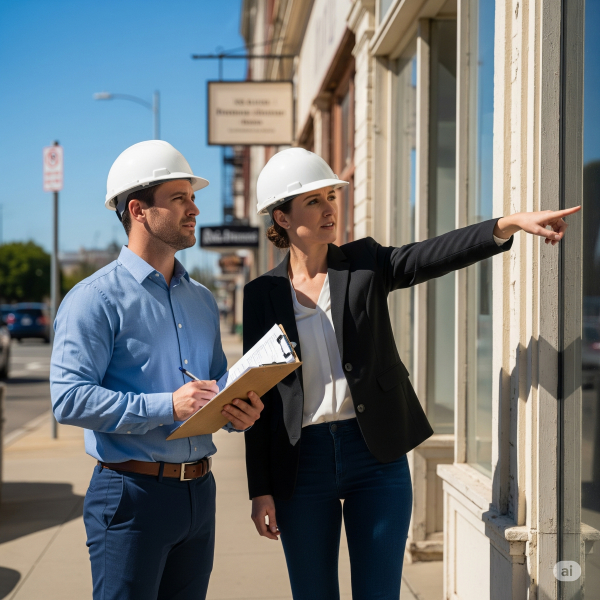
As buildings age, so do the systems and materials they were originally built with. If your commercial or residential building is over 30 years old, it’s not just maintenance you should be thinking about—it’s insurance. Older buildings often come with increased risks, and insurance carriers take these risks seriously when evaluating your property for coverage. Upgrading and updating your building can make a significant difference in your insurability and your premiums.
The Risks of Aging Infrastructure
Buildings constructed three decades ago were built under different codes and standards than those in place today. Electrical systems may not support modern energy loads. Plumbing may be outdated or even contain hazardous materials like lead. Roofing materials and HVAC systems may be well past their useful life. These elements not only pose safety concerns but also increase the likelihood of claims—something insurance companies factor into your coverage and pricing.
Common Issues That Affect Insurance
- Outdated Electrical Wiring: Knob-and-tube or aluminum wiring, common in older buildings, is considered a fire hazard and is often uninsurable without replacement.
- Electrical Panels: Upgrading the electrical panel is just as important as rewiring. Many older buildings still rely on Zinsco and Federal Pacific panels, which are notorious for failing to trip during power surges—posing a serious fire risk. Insurance companies often require these panels to be replaced with modern, safer alternatives to maintain coverage.
- Aging Plumbing Systems: Pipes that are corroded or made from polybutylene or galvanized steel are more likely to leak or burst.
- Old Roofs: Roofs over 20 years old, especially those with signs of wear or damage, can lead to denied coverage or higher deductibles.
- Unreinforced Masonry: In seismic zones, older unreinforced masonry is a major red flag for insurers.
- Lack of Fire Safety Features: Buildings without modern fire suppression systems, like sprinklers, may not meet today’s safety standards.
Insurance Benefits of Upgrading
When you invest in updating your property, you’re not only improving safety and efficiency—you’re also improving your insurance profile. Insurance providers look favorably on proactive owners who maintain and modernize their buildings. These upgrades can lead to:
- Lower premiums
- Fewer exclusions
- Broader coverage availability
- Better protection in the event of a claim
Most importantly, upgrades can prevent costly disasters before they happen, protecting both your investment and the people who live or work in the building.
Talk to the Experts
If you own or manage a building that’s over 30 years old, now is the time to evaluate its condition. Don’t wait until an insurance issue—or worse, a loss—forces your hand. At Morning Star Insurance, we specialize in helping property owners navigate the complexities of insuring older buildings. Whether you need a coverage review or want guidance on what upgrades are most important from an insurance standpoint, we’re here to help.
Contact Morning Star Insurance today to ensure your building—and your future—is properly protected.


