
Wildfire Mitigation: Protecting Your Home from the Flames
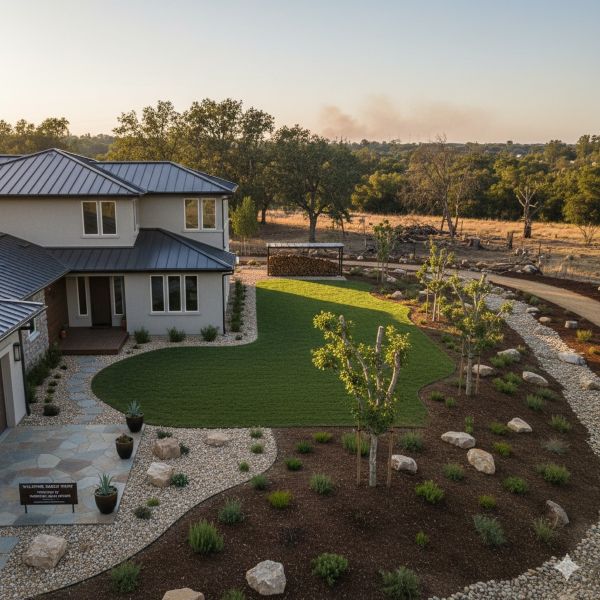
Wildfires are an increasingly common threat, and the thought of losing your home to one is terrifying. While you can’t control the weather or stop every spark, you can take proactive steps to significantly reduce your home’s vulnerability. Wildfire mitigation isn’t just about preparing for the worst; it’s about empowering yourself with knowledge and action.
One of the most critical aspects of wildfire protection is creating a defensible space around your home. This involves modifying the area around your house to slow or stop the spread of wildfire. Think of it in zones:
- Zone 1 (0-5 feet from your home): This is the immediate perimeter and should be kept absolutely free of anything flammable. Remove all dead vegetation, leaves, and pine needles from roofs, gutters, and decks. Consider fire-resistant landscaping and hardscaping materials like rock, concrete, or gravel. Ensure firewood piles are stored at least 30 feet away.
- Zone 2 (5-30 feet from your home): In this area, reduce the density of vegetation. Trim tree branches to at least 10 feet from other trees and structures, and remove lower branches (limbing up) to prevent ground fires from climbing into the canopy. Keep lawns mowed and well-watered, and remove dry grasses and weeds.
- Zone 3 (30-100 feet or to property line): This outer zone focuses on reducing the overall fuel load. Thin out dense vegetation, remove dead or dying trees, and create breaks in continuous fuel sources.
Beyond defensible space, hardening your home against embers is crucial. Embers, carried by the wind, are often the primary cause of homes igniting during a wildfire.
- Roof: Your roof is the most vulnerable part of your home to embers. Use fire-resistant roofing materials like Class A asphalt shingles, metal, or tile.
- Vents: Cover all attic, foundation, and dryer vents with 1/8-inch metal mesh screens to prevent embers from entering.
- Windows: Consider multi-pane or tempered glass windows, which are more resistant to heat and breaking.
- Siding: Opt for fire-resistant siding materials like stucco, fiber cement, or treated wood.
Living in the State of California, wildfires are a real concern, and taking these preventative measures is vital. After you’ve taken steps to protect your home, it’s equally important to ensure you’re adequately covered. Contact Morning Star Insurance to review your policy. We can help you understand your coverage for wildfire damage and ensure you have the protection you need, giving you peace of mind that your preparations are backed by robust insurance.
Taking these steps can dramatically increase your home’s chances of surviving a wildfire. Be proactive, stay informed, and protect your investment.