
Preparing for California’s Historic El Niño: Why Flood Insurance Matters
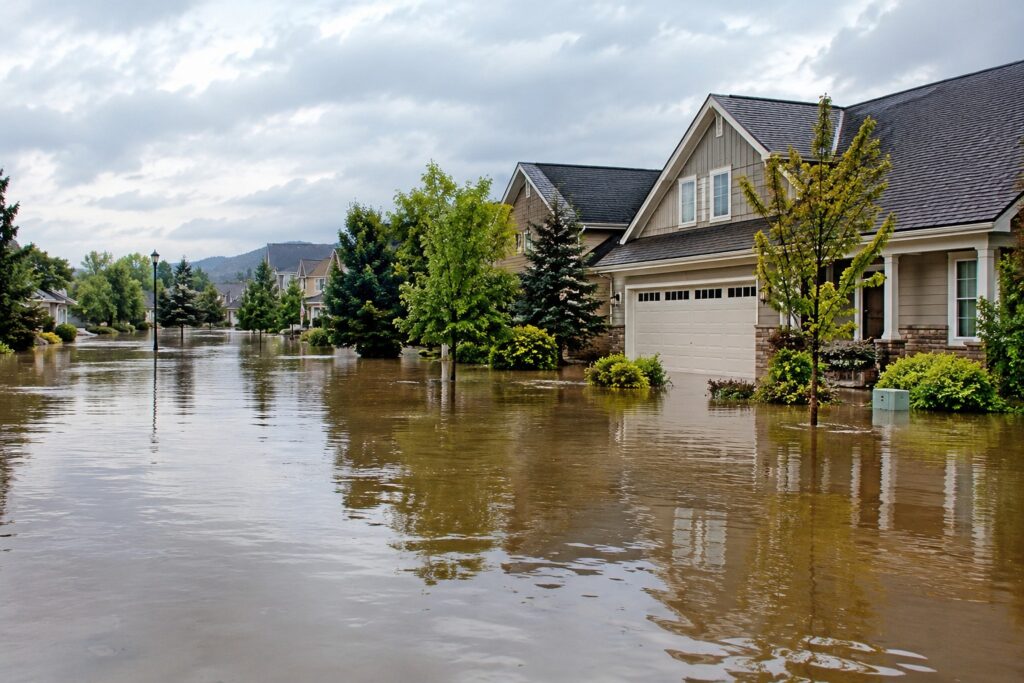
California homeowners are being urged to pay close attention to the weather as we head into the 2026–2027 winter season. A potentially historic “Super El Niño” is developing in the Pacific, and federal climate forecasters are expecting this El Niño to become one of the strongest events seen in decades.
According to NOAA’s latest outlook, there is a greater than 90% chance of a very strong El Niño during the fall and winter of 2026–2027. NOAA is also currently forecasting a 75% chance that the October–December period could produce an El Niño event exceeding the strength of previous events dating back to 1950.
While no one can predict exactly how much rain any particular community in California will receive, a strong El Niño can increase the potential for significant winter precipitation and severe weather across parts of the West Coast. For California homeowners, that makes this an important time to review your insurance protection—especially when it comes to flood coverage.
What Is El Niño?
El Niño is a climate pattern that occurs when ocean temperatures in the central and eastern tropical Pacific become warmer than normal. These changes can influence weather patterns around the world, including the jet stream and winter precipitation patterns affecting the western United States.
California has experienced some extremely wet winters during strong El Niño events. However, every El Niño is different, and the presence of El Niño does not guarantee that a particular location will experience flooding or unusually heavy rainfall.
That uncertainty is one reason preparation is so important.
Homeowners don’t have to wait until a storm is approaching to review their insurance coverage. Understanding what is—and isn’t—covered by an existing policy can help homeowners make informed decisions before severe weather arrives.
Your Homeowners Insurance May Not Cover Flood Damage
One of the most important things homeowners should understand is that standard homeowners insurance generally does not cover damage caused by flooding.
According to FEMA, homeowners insurance policies generally exclude flood damage, meaning flood insurance is typically purchased separately.
This distinction can become especially important during periods of heavy or prolonged rainfall. Floodwater entering a home can cause extensive damage to flooring, walls, electrical systems, appliances, furniture, and personal belongings. Depending on the circumstances and the source of the water, damage may be treated very differently under an insurance policy.
For example, homeowners sometimes assume that if water enters their house during a major rainstorm, their homeowners insurance will automatically cover the resulting damage. That isn’t necessarily the case.
Flood insurance is specifically designed to address certain types of flood-related losses that are generally excluded from standard homeowners policies.
You Don’t Have to Live Near a River to Be Concerned About Flooding
Another common misconception is that flooding is primarily a problem for homeowners who live directly next to a river, creek, lake, or the ocean.
The reality is more complicated.
Heavy rainfall can overwhelm drainage systems, cause water to accumulate rapidly, and produce flooding in areas that homeowners may not traditionally consider to be flood-prone. FEMA notes that flooding can occur outside traditionally designated high-risk flood areas as well.
California’s varied terrain can also contribute to different types of water-related risks. Mountain and foothill communities, developed areas with extensive paved surfaces, and locations affected by recent wildfires can all face unique challenges when significant rainfall occurs.
For homeowners, the important takeaway is simple: don’t assume you’re protected from flood damage simply because your property has never flooded before.
Why Timing Matters
Flood insurance is something worth considering before severe weather arrives—not after water is already accumulating around your property.
Many flood insurance policies have waiting periods before coverage becomes effective. FEMA notes that a typical waiting period can be 30 days, although certain exceptions may apply.
That makes the period before the rainy season an especially appropriate time to review your existing insurance policies and consider whether additional flood protection may make sense for your property.
Waiting until a major storm is approaching may leave homeowners with fewer options.
Take a Fresh Look at Your Insurance Protection
A potentially historic El Niño is a good reminder that homeowners should periodically review their insurance coverage and understand the risks that may not be covered by their existing policies.
Even if you’ve lived in your home for many years without experiencing flooding, past experience doesn’t necessarily predict what could happen during an unusually wet season.
At Morning Star Agency Insurance Services, we understand that every home and situation is different. Our goal is to help you explore insurance options that may fit your particular needs and circumstances.
With a potentially historic El Niño developing, now may be a good time to take a closer look at your protection before the winter rains arrive.
Don’t assume your homeowners policy includes flood coverage. Contact Morning Star Agency Insurance Services to discuss your flood insurance options and find out whether coverage may be available for your property.